Somnera
CBT-I science

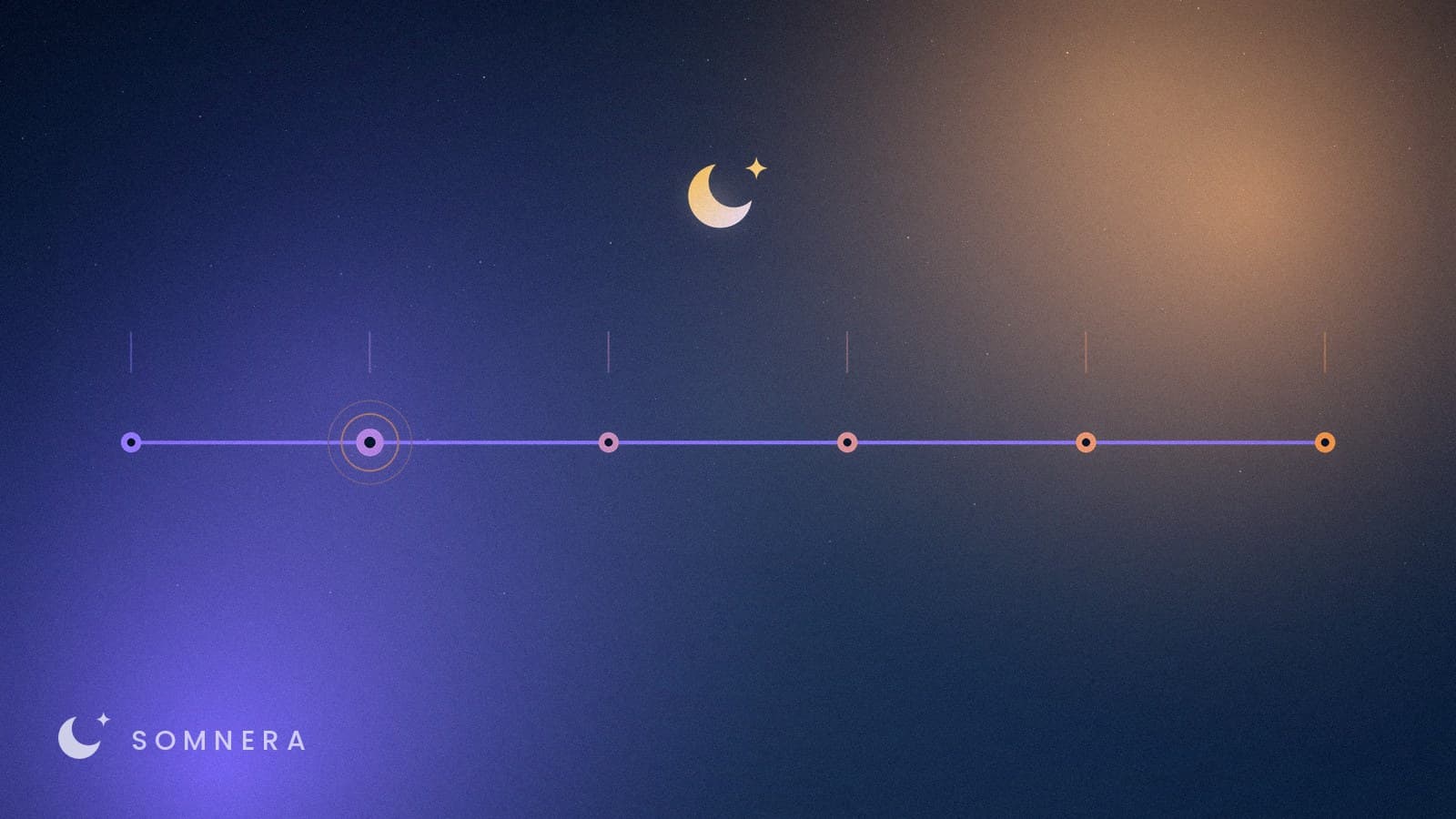
What actually happens in a six-week CBT-I program

Most programs will not tell you what is inside until after you have paid. Here is the whole thing, week by week, including the week that is genuinely unpleasant.

4 min read

Last reviewed August 26, 2026

Share

Most CBT-I programs will not tell you what is inside until after you have paid. That is a bad sign in a category where the whole method is published in the open literature and nothing about it is proprietary. Here is the entire structure.

Week 1 — Measuring, and changing nothing

The first week is deliberately anticlimactic. You learn what insomnia actually is — a self-sustaining pattern rather than a shortage of sleepiness — and you start a sleep diary.

Nothing is restricted yet. Nothing is prescribed. This annoys people who want to start fixing it immediately, and it is not negotiable: every decision in the weeks ahead comes from these numbers, and recollection of a bad night is unreliable in a predictable direction.

One thing does change: a fixed wake time, every day, weekends included. It anchors everything after it.

Week 2 — The window, and the hard part

Now the diary is used. Average sleep time comes out of it, and the time you spend in bed is narrowed to roughly match — with a floor, usually five hours, that protocols do not go beneath. The reasoning behind sleep restriction.

Stimulus control starts alongside it: out of bed when you have been awake a while, bed for sleep only.

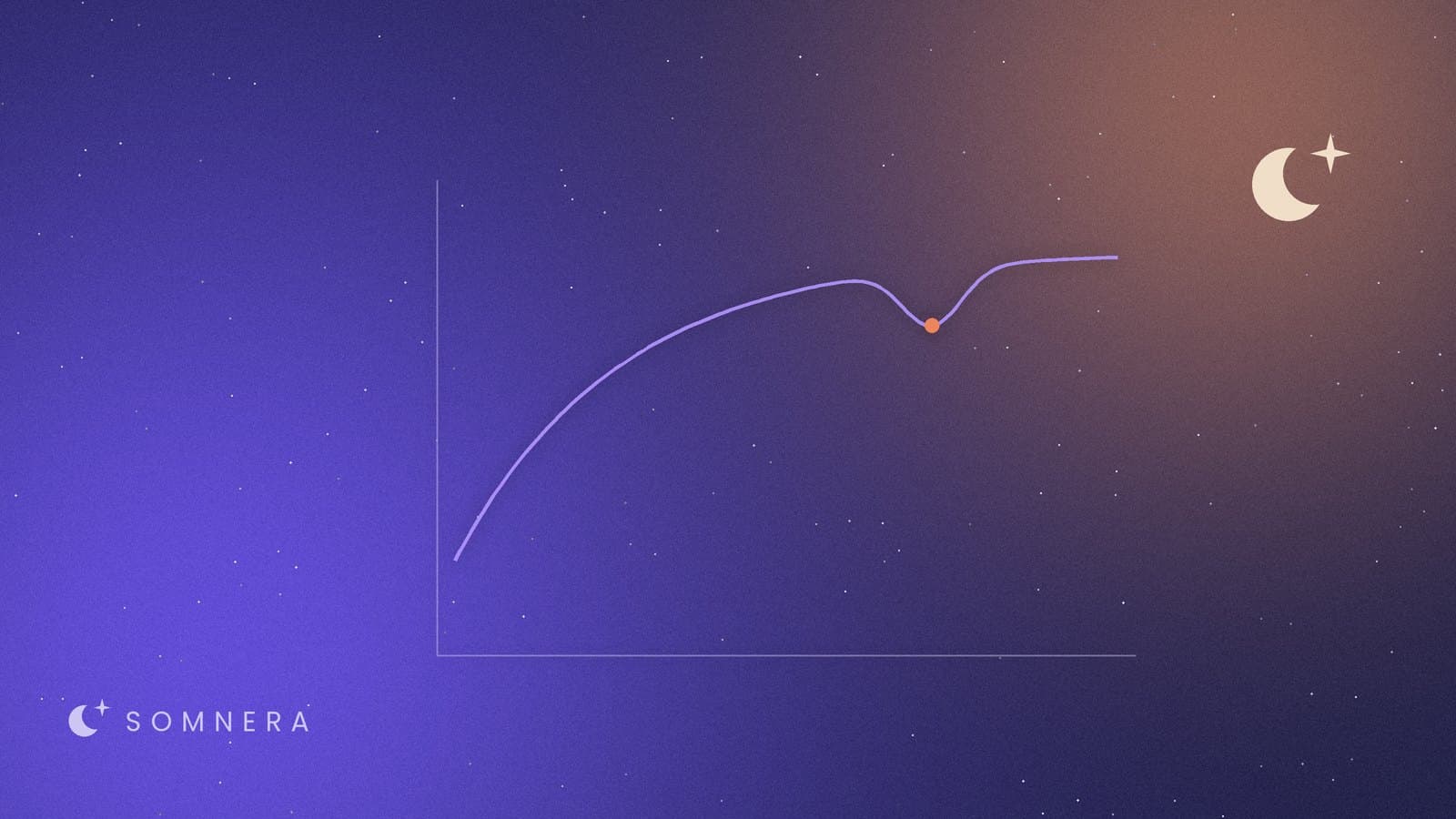
This is the week that is genuinely unpleasant. Compressing time in bed raises sleep pressure, and higher sleep pressure means more daytime sleepiness before sleep becomes more solid. Studies measuring it directly found increased sleepiness and measurably worse vigilance in this phase.

It matters practically — driving and anything needing sustained attention has to be planned around rather than pushed through. And it matters psychologically, because this is where most people conclude it is not working. Knowing it is coming is most of the defence.

Week 3 — The mind at 3am

By now the window is doing its work and attention turns to the thinking that keeps people awake. The arithmetic at 3am — four hours left, tomorrow is ruined — is arousal, and arousal is the opposite of what allows sleep.

This week is about noticing that sequence and interrupting it, plus what to actually do in the moment. The short version for tonight.

Usually the first week where the diary starts showing something. Efficiency climbing, wake time shrinking. Often before it feels different.

Week 4 — Widening

Efficiency held high across a week, so the window opens by fifteen or twenty minutes. Held again next week, it opens again.

Deliberately slow. Widening too fast reintroduces the lying-awake that the whole thing was built to remove — which is why the diary keeps going rather than stopping once things improve.
This week also covers the daytime side: caffeine timing, light, and what actually to do about a bad night rather than compensating your way into the next one.

Take the free assessment to see:

  • Your Insomnia Severity Index (ISI) score
  • A personalized 6-to-8-week CBT-I plan, built by a sleep physician
  • How your sleep improves, night by night
Start free assessment

Week 5 — The things that undo it

Travel. A cold. A stressful two weeks at work. Everyone has a bad run, and the question is whether it becomes a bad month.

Almost always it does so the same way: one bad night, then a lie-in to compensate, then a later bedtime, and the pattern rebuilds itself in a week. This week is about recognising that and having a plan for it.

Week 6 — Keeping it

The window settles where your sleep actually is, which for most people is less than the eight hours they assumed they needed.

The last week is about what to hold onto — the fixed rising time above all — and what an early warning looks like, so a slip gets caught at three nights rather than three months.

The point of the structure

The order is not arbitrary. You cannot set a window without a diary. You cannot widen it without a week of data. Cognitive work lands better once sleep is already consolidating.

Which is also why the weeks unlock in sequence rather than all at once — running ahead means doing later steps without the earlier ones, and the earlier ones are what make them work.

Six weeks is the structure, not a deadline. Taking longer is fine.

More on how CBT-I compares to the things people usually try before it.

Before you start

See a clinician rather than beginning a program if you snore loudly, wake gasping, or have been told you stop breathing; if your legs feel restless in the evening; if you work shifts; if you are pregnant; if you have a seizure disorder or bipolar disorder, where sleep loss carries specific risks; or if this started suddenly or alongside a new medication.

Somnera is a self-guided education program built on CBT-I, founded and written by Dr. Camilo Ruiz, DO, FACOI, FAASM, who practices at Sleep and Internal Medicine Specialists in Fort Lauderdale. It is not a diagnosis and does not replace care from your own clinician. The assessment is free.

Citations

  • Qaseem A, et al. Management of chronic insomnia disorder in adults: a clinical practice guideline from the American College of Physicians. Ann Intern Med. 2016;165(2):125–133. doi:10.7326/M15-2175

  • Edinger JD, et al. Behavioral and psychological treatments for chronic insomnia disorder in adults: an American Academy of Sleep Medicine clinical practice guideline. J Clin Sleep Med. 2021;17(2):255–262. doi:10.5664/jcsm.8986

  • Kyle SD, et al. Sleep restriction therapy for insomnia is associated with reduced objective total sleep time, increased daytime somnolence, and objectively impaired vigilance. Sleep. 2014;37(2):229–237. doi:10.5665/sleep.3386

  • Trauer JM, et al. Cognitive behavioral therapy for chronic insomnia: a systematic review and meta-analysis. Ann Intern Med. 2015;163(3):191–204. doi:10.7326/M14-2841

Frequently asked questions

Trials typically run four to eight weeks. Most people notice sleep becoming more solid somewhere in weeks two to four, after an initial stretch of feeling more tired.

The one after the sleep window is set — usually week two. Daytime sleepiness increases before sleep consolidates, and that is when most people quit.

Pick it up where you left off. The order matters more than the calendar; nothing later works properly without the diary and the window from earlier.

No. Six weeks is the structure, not a deadline. People who take longer do fine as long as the rising time stays fixed and the diary keeps going.

You keep the material. The point of CBT-I is that the changes are behavioral, so they hold once the program stops — which is the main way it differs from medication.