Somnera
CBT-I science

Insomnia treatment without medication: the options, ranked by evidence

There is a non-drug treatment for insomnia that the guidelines put first. There are also a lot of things people try. An honest ranking of both, and how to start.

11 min read

Last reviewed October 16, 2026

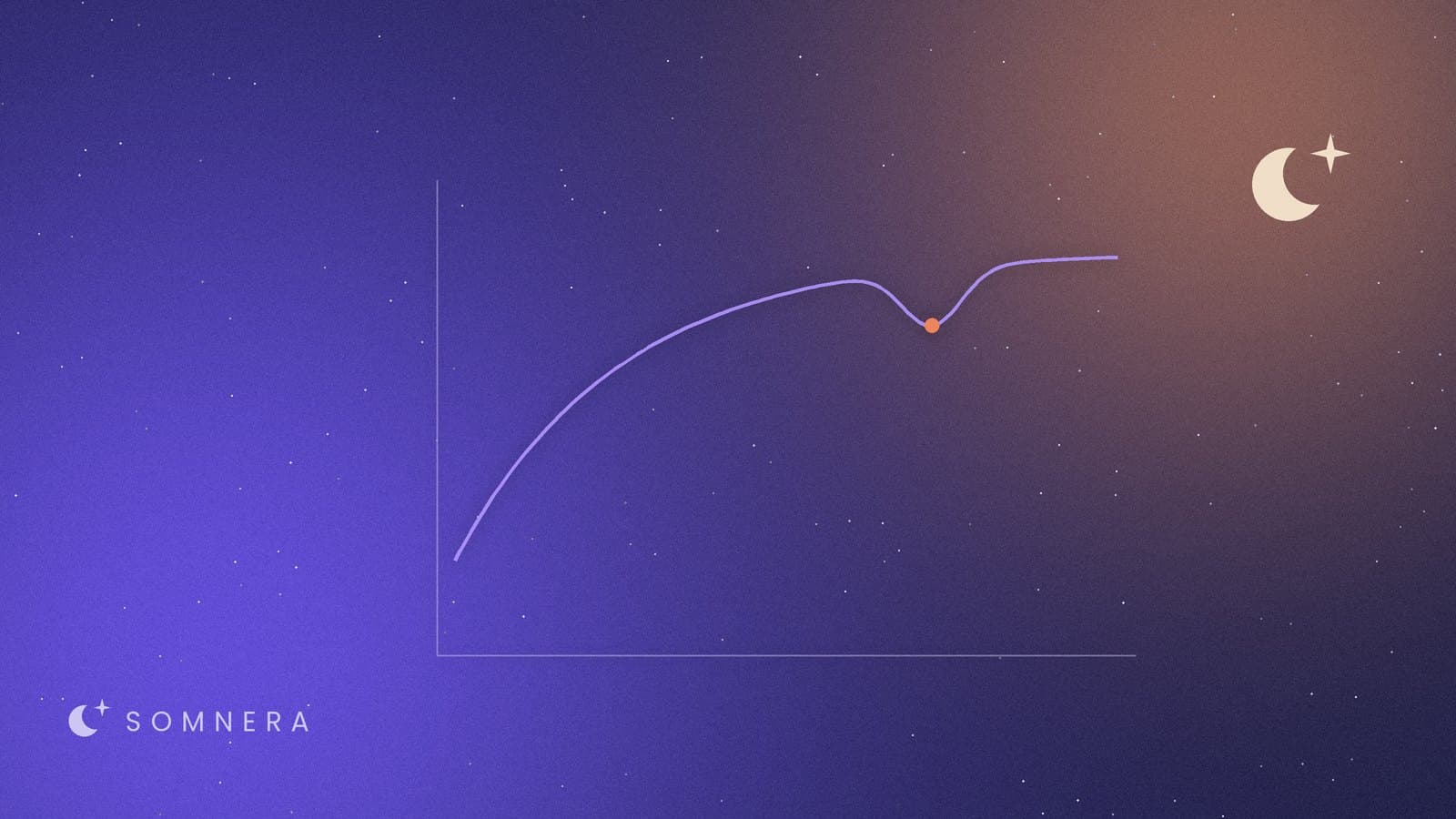
Two paths rising together to a marked point, after which one holds its level and the other falls away.

Share

It is late. The lavender spray has been sprayed. The phone is face down in another room, as instructed by an article. There is a cup of chamomile tea going cold on the nightstand, a white-noise machine doing its best impression of the ocean, and you are lying very still, waiting for sleep the way you wait for a bus that may not be running tonight.

If that is familiar, you have probably already tried a fair amount of "natural remedies for insomnia." And you are probably wondering whether there is anything without pills that actually works.

There is. It is not a compromise, and it is not another spray. It is the treatment the guidelines put first.

It is called cognitive behavioral therapy for insomnia, CBT-I. Most of the other things people try without pills are either parts of it, pulled out and used alone, or have much weaker evidence behind them. This guide ranks the options honestly, from strongest to weakest, and says how to actually start.

First: what the guidelines put at the top

The American College of Physicians, 2016: all adult patients should receive CBT-I as the initial treatment for chronic insomnia. Strong recommendation.

The American Academy of Sleep Medicine's behavioral guideline, 2021: multicomponent CBT-I is its only strong recommendation.

The European guideline, 2023: CBT-I first-line for adults of any age, in person or digital.

That ordering is not a statement that medication is bad. It is a statement about where the evidence is strongest and what lasts. A sleeping pill changes your sleep while it is in your system. A behavioral program changes the inputs that are maintaining the problem, so when it ends, nothing is withdrawn. CBT-I vs sleeping pills goes through that comparison in detail.

If you only read one thing about insomnia treatment without medication, it should be this: the first-line option is a structured method, not a supplement and not a list of tips. The best treatment for insomnia covers why, and the American Academy of Sleep Medicine's patient page on insomnia describes the same approach.

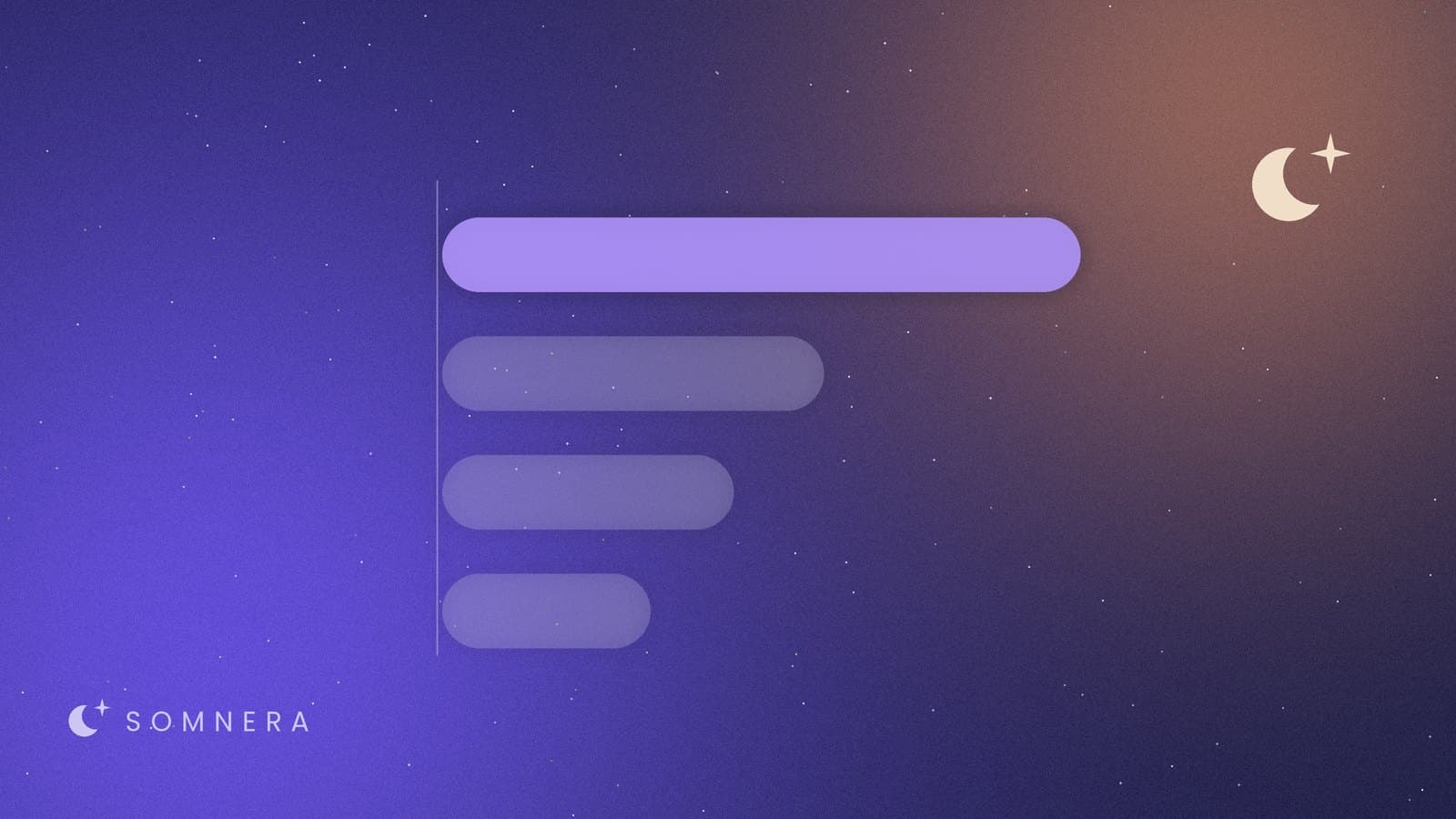
Strongest: CBT-I, the full program
Guideline-recommended first-line. Sleep window and stimulus control at the center.
Useful supports
Fixed wake time and morning light, relaxation and mindfulness as a wind-down, regular daytime exercise.
Weak on their own
Sleep hygiene alone, one-off tips tried for a few nights.
Not truly medication-free
Melatonin and sleep supplements. Recommended against for chronic insomnia (AASM 2017). Ask your pharmacist or prescriber.
The non-drug options, ranked by the strength of the evidence for chronic insomnia.

Tier one: CBT-I, and what is inside it

CBT-I is a short, structured program, usually run over several weeks. It is not talk therapy about your childhood, and it is not "relax more." It is a set of specific techniques aimed at the things that keep insomnia going once it has started. What is CBT-I is the full introduction; here is the short version of each part.

The core Sleep window + stimulus control Cognitive work Relaxation Sleep hygiene (minor)
CBT-I is a package: the sleep window and stimulus control do most of the work, with the other parts in support.

The sleep window (sleep restriction)

This is the part that does the most work, and the part people find hardest. You keep a sleep diary for a week or two, then limit your time in bed to roughly the amount you are actually sleeping, with a fixed wake time every day. Sleep pressure builds, sleep consolidates, and the window is widened as your sleep fills it.

The first stretch usually feels worse before it feels better. That is expected. Sleep restriction therapy explains how the window is set and adjusted, and why it is not the same thing as sleeping less.

Stimulus control

After months of lying awake, the bed itself becomes a cue for being awake. Stimulus control rebuilds the connection: bed is for sleep, you go to bed when sleepy rather than when it is "time," and if you are lying awake and frustrated, you get up and do something quiet until sleepiness comes back.

Paired with the sleep window, this is the core of the method.

Cognitive work

Insomnia comes with its own set of beliefs: that one bad night will ruin tomorrow, that you have to get a certain number of hours, that you have lost the ability to sleep. Those beliefs raise the stakes of every night, and high stakes keep people awake. The cognitive part of CBT-I looks at those thoughts directly and tests them against what actually happens.

Relaxation

Techniques that bring arousal down before bed: slow breathing, progressive muscle relaxation, a wind-down routine. They help, especially for people who arrive in bed already wound up. Inside CBT-I they support the main work rather than replace it.

Sleep hygiene, as a minor part

Caffeine timing, alcohol, light, a dark and cool bedroom. Sensible advice, and it is in the program. It is a small part of it.

Tier two: things people try on their own

Most "natural remedies for insomnia" fall here. Some are useful supports. None has the evidence of the full method for chronic insomnia.

Sleep hygiene alone

This is usually the first advice anyone gets, and most people with chronic insomnia have already done it, often to the point of owning blackout curtains that could hide a submarine. The NHS insomnia page lists the usual habits, and they are worth having. Cutting afternoon coffee and putting the phone away are reasonable. They rarely shift insomnia that has been going on for months, because they do not touch the two things that keep it going: too much time in bed awake, and a bed that has become associated with being awake. CBT-I vs sleep hygiene covers the difference.

Relaxation and mindfulness

Useful, particularly if your nights start with a racing mind or a body that will not settle. The catch is that relaxation turned into a nightly test ("I have to relax now or I won't sleep") can make things worse. Used as a wind-down, without a goal attached, it is a good support. Relaxation techniques for insomnia goes through the ones worth trying.

Exercise and its timing

Regular daytime activity is good for sleep and for almost everything else. It is not a treatment for chronic insomnia on its own. If hard exercise late in the evening leaves you wired, moving it earlier is a reasonable experiment.

Light and a fixed wake time

Getting up at the same time every day, weekends included, and getting daylight in the morning, anchors the body clock. This one is closer to the core than the others: a fixed wake time is part of the sleep window. Done alone, without limiting time in bed, it helps less than it does inside the full method.

Melatonin and supplements

These are worth a separate note, because they are not medication-free in the strict sense. They are substances you take to change your sleep, and many people are surprised to learn how weak the support for them is in chronic insomnia.

Melatonin is the best known. It is a timing signal, not a sedative: it tells the body when night has started, not how deeply to sleep. In 2017 the AASM's guideline on medications for chronic insomnia recommended against it, for both trouble falling asleep and trouble staying asleep. Pooled analyses find it shortens the time taken to fall asleep by roughly seven minutes on average. It has a real role in jet lag and in a body clock running genuinely late, which is a different problem from lying awake at a reasonable hour.

There is also the bottle problem. In the US, melatonin and other sleep supplements are sold as dietary supplements, not medicines, and an analysis of melatonin products sold in North America found actual content varying widely from the label. Does melatonin work for insomnia? has the full picture.

Supplements can also interact with other things you take. Before adding one, or if you already take one nightly, talk to your pharmacist or prescriber.

What does not work well on its own, and why

The pattern across tier two is the same. Each thing on its own targets something at the edges of insomnia, not the engine of it.

Chronic insomnia is usually kept going by a few connected habits that start as sensible responses to bad nights. Going to bed earlier to "catch up." Staying in bed longer in the morning. Lying there trying to make sleep happen. Napping. Worrying about tomorrow. Each one makes sense in the moment, and together they spread a small amount of sleep across a large amount of time in bed, weaken the drive to sleep, and teach the brain that bed is a place for being awake and anxious.

A better pillow, a supplement, or a calming playlist does not change any of that. The sleep window and stimulus control do, which is why they sit at the center of the method and why the guidelines grade the full program, not its separate pieces, as first-line.

That is also why trying a handful of tips for a few nights and giving up is so common. The tips were not wrong. They were just not aimed at the cause. It is a bit like fixing a leaking roof by buying nicer buckets.

How to actually do it

There are three realistic routes, and the evidence supports all of them.

With a therapist

A clinician trained in behavioral sleep medicine takes you through the program over several sessions and adjusts the plan to your diary. This is the traditional format, and it is the right choice for some people, particularly when other conditions are involved. The difficulty is access: trained providers are scarce in many areas, and waits can be long.

A self-guided program

Digital and self-guided CBT-I deliver the same techniques in a structured sequence, with a sleep diary and a sleep window that is adjusted week by week. The European guideline names digital CBT-I as first-line alongside in-person delivery. Does online CBT-I work? covers the evidence, and self-guided CBT-I vs a therapist helps you decide which fits you.

At home, on your own

It is possible to work through the method yourself with a diary, a calculator and some discipline. The hardest part is not knowing what to do but sticking with the sleep window through the rough first weeks without anyone checking in. How to do CBT-I at home walks through the steps, and what to watch for.

Whichever route you pick, the same things matter: keep the diary, protect the fixed wake time, and give it several weeks before judging it.

If you already take sleeping pills

Looking for insomnia treatment without sleeping pills does not mean you have to stop the ones you take before you start. Many people begin a behavioral program while still taking something.

Never stop or change a sleep medication on your own. Stopping some sleep medications abruptly can be genuinely harmful, and any change to a prescription is a decision for you and your prescriber. There are no doses or schedules on this page, and there should not be.

If coming off is your goal, coming off sleeping pills explains what the research says about pairing behavioral work with a plan made by your prescriber. Then talk to your prescriber.

When to see a doctor

A behavioral approach is a good first step for most people with ongoing insomnia. Some situations call for a clinician first, or alongside:

  • Loud snoring, gasping or pauses in breathing at night, which can point to sleep apnea.
  • An urge to move your legs in the evening that keeps you from settling.
  • Falling asleep during the day when you do not mean to, especially while driving.
  • Low mood, persistent anxiety, or thoughts of harming yourself. If you are in crisis, call or text 988 in the US.
  • A history of seizures, bipolar disorder, or another condition where cutting back time in bed could be risky. The sleep window is not for everyone without medical input.
  • Pregnancy, or a recent change in medication or health.

When to see a sleep specialist covers these in more detail, the NHLBI's overview of insomnia describes how doctors assess it, and how to talk to your doctor about insomnia helps you get the most out of the appointment.

The short version

The non-drug treatment for insomnia with the strongest evidence is CBT-I, and the guidelines put it first. Its center is the sleep window and stimulus control, supported by cognitive work, relaxation and a little sleep hygiene. The other things people try are mostly fragments of that method or have weak evidence on their own. Supplements are not truly medication-free and are worth a word with your pharmacist or prescriber. And if you already take something for sleep, start the behavioral work if you like, but leave the prescription to your prescriber.

More in CBT-I science, including what a CBT-I app is.

Somnera is a self-guided education program built on CBT-I, founded and written by Dr. Camilo Ruiz, DO, FACOI, FAASM. It is not a diagnosis, does not replace care from your own clinician, and gives no guidance about medication. The assessment is free and takes about two minutes.

Sources and further reading

  • Insomnia – Sleep Education, American Academy of Sleep Medicine
  • Insomnia – National Heart, Lung, and Blood Institute, NIH
  • Insomnia – MedlinePlus, National Library of Medicine
  • About sleep – Centers for Disease Control and Prevention
  • Insomnia – NHS
  • Insomnia – Cleveland Clinic

Citations

  • Qaseem A, et al. Management of chronic insomnia disorder in adults: a clinical practice guideline from the American College of Physicians. Ann Intern Med. 2016;165(2):125–133. doi:10.7326/M15-2175
  • Edinger JD, et al. Behavioral and psychological treatments for chronic insomnia disorder in adults: an American Academy of Sleep Medicine clinical practice guideline. J Clin Sleep Med. 2021;17(2):255–262. doi:10.5664/jcsm.8986
  • Sateia MJ, et al. Clinical practice guideline for the pharmacologic treatment of chronic insomnia in adults. J Clin Sleep Med. 2017;13(2):307–349. doi:10.5664/jcsm.6470
  • Riemann D, et al. The European Insomnia Guideline: an update 2023. J Sleep Res. 2023;32(6):e14035. doi:10.1111/jsr.14035

Frequently asked questions

The approach with the strongest evidence is cognitive behavioral therapy for insomnia (CBT-I). The American College of Physicians recommends it as the initial treatment for chronic insomnia in adults, and the AASM gives multicomponent CBT-I its only strong recommendation. It can be done with a therapist, through a structured self-guided program, or at home with a sleep diary.

CBT-I. It is a structured method rather than a single tip, combining a sleep window, stimulus control, work on the thoughts that keep you awake, and some relaxation and sleep hygiene. The parts that do most of the work are the sleep window and stimulus control.

Most have weak evidence for chronic insomnia. Melatonin, the best known, is recommended against for chronic insomnia by the AASM's 2017 guideline, and supplements are not held to pharmaceutical manufacturing standards. Before adding any supplement, talk to your pharmacist or prescriber.

Usually not on its own. Sleep hygiene is good general advice, but most people with chronic insomnia have already tried it. In CBT-I it is a minor supporting part; the schedule and the bed-wake connection are what change.

Never stop or change a sleep medication on your own. Many people start CBT-I while still taking something, and any change to a prescription is a decision to make with your prescriber.

Standard CBT-I runs over several weeks, and the first week or two of the sleep window often feel worse before they feel better. The improvements tend to hold after the program ends, because what changed was behavior rather than chemistry.